

On Wednesday 11 September, biologists from the Stareso marine station carried out an ecological survey of 3 Biohuts installed in the port three years ago, in order to assess the evolution of these nurseries, which are located throughout the port.
Biohut® is an artificial habitat that helps to rehabilitate the nursery ecological function of shallow rocky and sandy seabeds which have been degraded by the construction of coastal developments (ports, outfalls, offshore wind farms etc).
The role of the Biohut® devices placed at various strategic locations in the port of Saint-Florent is to replace the nursery grounds exploited by humans and thus enable the natural cycle to be re-established.
Today, three years after their installation, the Biohuts® have again observed by biologists at the Stareso marine station in order to take stock of these three years spent in the waters of the port of Saint-Florent.
Large crabs were observed, which indicates that life has established itself well in the Biohuts and that species can develop correctly and sustainably. Another ecological monitoring will take place next November, and the annual report will be sent to us in January 2020.

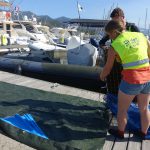
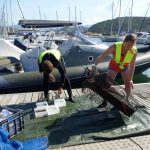
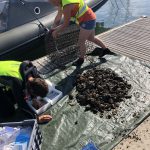
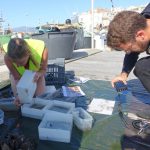
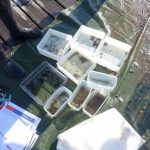
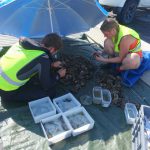
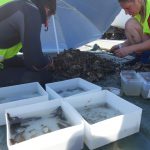
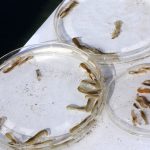
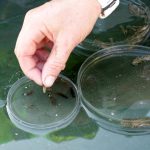
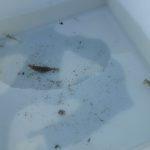
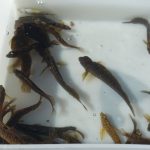
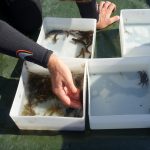
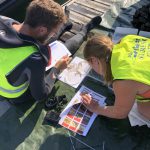
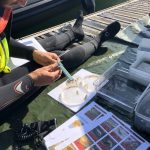
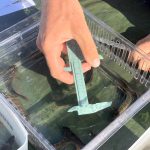
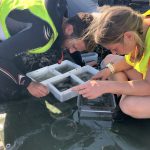

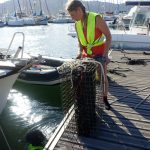
Below you will find an explanation of what a Biohut is and how its analysis is carried out: removal from the water, emptying of the cage, sorting of each species found (crabs, blennies, shrimp, worms, mussels, etc.), sorting by subspecies and size, measurement, taking photographs and finally returning the observed Biohut to the water.
This video explains the benefits of Biohut and its use in ports. You can discover the manufacturing, installation, and effectiveness of these highly biodiverse fish nurseries.
What is a Biohut? From Ecocean On Vimeo.
Thanks to the different types of Biohut®, quays, pontoons, and coastal structures are once again becoming biodiversity refuges for many coastal marine species.